
The Gentle Giant of Puebla: Discovering the Echinocactus ingens
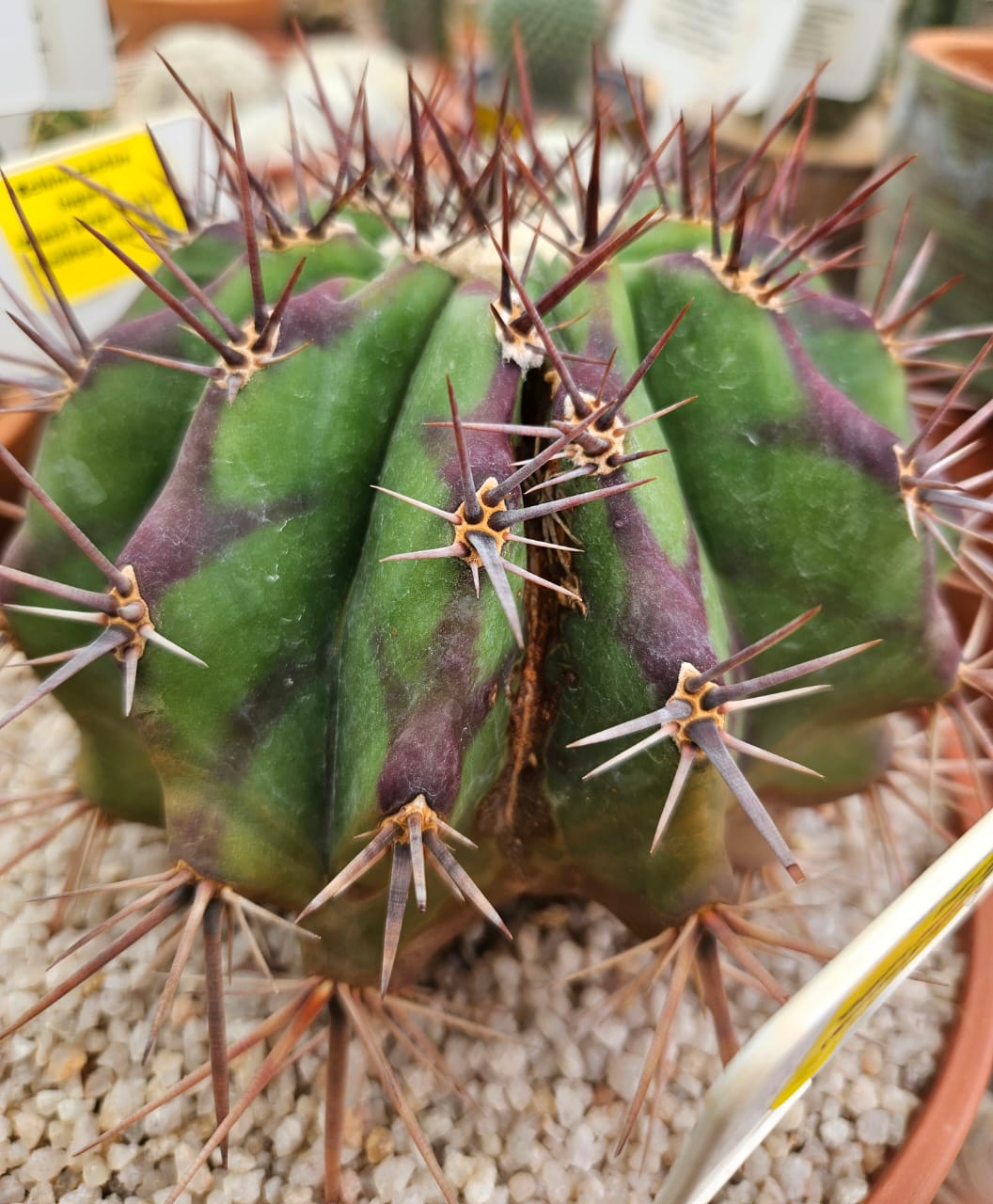
If you are cultivating a seed-raised Echinocactus ingens, as we did at Succulents Online, you are partaking in a botanical journey that requires an abundance of patience. Even at ten years old, this magnificent cactus is still in its juvenile stage, a far cry from the towering maturity it will eventually reach.
Let’s explore the unique characteristics, remote origins, and fascinating survival strategies of this solitary desert giant.
A Remote Heritage
Hailing from the rugged, remote limestone hills near Tehuacán in Puebla, Mexico, this species thrives at an elevation of 1,600 meters above sea level. In its native desert landscape, a fully grown Echinocactus ingens is a commanding presence, dominating the surrounding flora in sheer size and scale once it finally reaches maturity.
The Long Transformation
Growing this species is a long-term commitment. After a remarkably long growing period, the differences between a juvenile seedling and an adult plant are immense—a trait it shares with many species in the Ferocactus and Echinocactus genera. As the cactus matures, its physical structure undergoes a beautiful transformation:
-
Refined Architecture: The thick ribs of the juvenile plant gradually become much narrower and more defined.
-
Shrinking Areoles: The areoles (the small bumps from which spines grow) reduce in relative size as the plant ages.
-
Vibrant Winter Hues: During the cold winter months, mature plants display striking, intense purple patterns across their skin.
Desert Survival Strategies
Life in the harsh desert requires brilliant adaptations. The Echinocactus ingens has developed unique growth habits to protect itself from extreme elements and hungry wildlife.
-
The Southwestern Lean: As it grows, this cactus naturally leans toward the south or south-west. This strategic tilt positions its spiny areoles to perfectly protect the main plant body against grazing predators.
-
Natural Sunscreen: The dense areoles and spines act as a built-in shield, casting micro-shadows that protect the cactus’s tissue from the relentless, scorching sun.
Solitary Splendor
Unlike many succulents that easily produce offsets or “pups,” the Echinocactus ingens is a strictly solitary species. There are no offsets crowding its base—just a single, spectacular sphere. It propagates entirely via seeds, and only when environmental circumstances perfectly align.
Ultimately, cultivating the Echinocactus ingens is an exercise in pure aesthetic value. Whether you are observing a ten-year-old juvenile or marveling at a massive adult, this cactus brings a piece of the wild, untamed highlands right into your collection.